
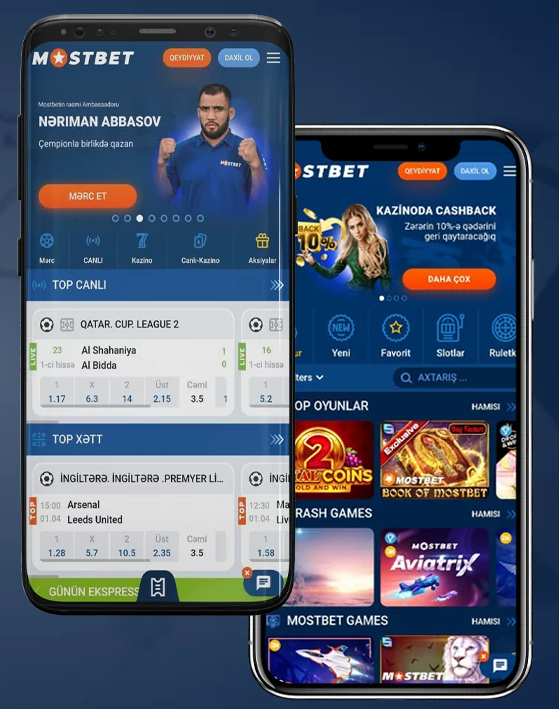
In today’s fast-paced world, where information and goods are easily exchanged, one of the biggest challenges consumers face is identifying fakes. Whether you’re in the realm of luxury goods, electronics, or even digital content, knowing how to spot a fake is essential. This guide will provide you with strategies and tips to help protect yourself from fraudulent products and scams. For instance, if you’re placing bets on sports or engaging in online gaming, checking the authenticity of the platform is crucial—How to Spot a Fake Online Casino in Bangladesh Mostbet is an example of a reputable site you can trust.
Understanding the Different Types of Fakes
The first step in spotting a fake is understanding what types of fakes exist. Common categories include counterfeit items, replicas, and fraudulent online offerings. Counterfeit items are often closely mimicked versions of branded products but lack the quality and authenticity of the originals. Replicas are typically made to resemble the originals but are not intended to deceive consumers as genuine articles. Lastly, online scams can take the form of fake websites or fraudulent offers claiming to provide products or services that don’t actually exist.
The Importance of Research
Before making a purchase, it’s crucial to conduct thorough research. Familiarizing yourself with the product details and the brand’s typical features can significantly aid in identifying fakes. For instance, if you’re looking to purchase a designer handbag, you should know the specifics regarding stitching, materials, and logos that distinguish a genuine item from a fake. User reviews and product comparisons can also provide insight and help verify authenticity.
Check the Brand’s Official Website
A reliable method for verifying the authenticity of a product is to visit the brand’s official website. Here, you can find information regarding authorized sellers, product details, and sometimes even tools for identifying fakes. Brands like Nike or Gucci often have dedicated sections on their websites to help customers distinguish between real and counterfeit items. If you find a deal that seems too good to be true, it’s a good idea to double-check the prices listed on the official site as well.
Analyze the Price

Price is often a telltale sign of fakes. If the price of an item is significantly lower than the market average, it raises a red flag. Always compare prices across reputable platforms and retailers. While discounts can occur, an inexplicably low price could indicate that the item is not original.
Look for Quality Indicators
Quality is usually compromised in fake items. Inspect the product carefully for flaws in craftsmanship and materials. For clothing and accessories, check the stitching, fabric quality, and how well the item is put together. For electronics, pay attention to weight, button functionality, and the responsiveness of the device. Genuine products will often have a higher quality finish compared to their counterfeit counterparts.
Trust Your Instincts
Sometimes, your instincts can be the best guide. If something feels off about a purchase, take your time. Don’t succumb to high-pressure sales tactics that might make you rush into a decision. Always take a step back and evaluate the situation critically before making a commitment.
Use Technology to Your Advantage
In today’s digital age, technology can also aid in distinguishing real from fake. Numerous apps are available that can scan barcodes, check product authenticity, and even read reviews from verified buyers. Tools such as Google Lens can help identify products and offer additional information about their authenticity.
Be Aware of Common Scams

In addition to counterfeit goods, being aware of common scams can assist in protecting yourself. Fake websites that look similar to reputable ones are prevalent, especially in online shopping. Always check the URL for discrepancies and look for HTTPS and secure payment options before entering any personal information. Additionally, phishing emails and fraudulent social media offers claiming too-good-to-be-true deals should always be approached with caution.
Examining Packaging and Documentation
Authentic products often come with quality packaging and proper documentation, such as certificates of authenticity. If you receive a product that has low-quality packaging, typos, or missing information, it could be a fake. Take the time to inspect any documentation that comes with the product, as legitimate items usually have clear and comprehensive instructions and certifications.
Engage with the Community
Forums and online communities dedicated to specific products can be invaluable resources. Engaging with people who share similar interests can provide insights and tips on identifying counterfeits. Sharing information about your potential purchase or seeking advice can often lead to discovering crucial details that help to verify authenticity. Reddit, specialized groups on Facebook, and dedicated forums can connect you with experts who provide valuable feedback.
Where to Report Suspected Fakes
If you encounter a counterfeit product or fraudulent seller, report it to the appropriate authorities. This could be the government, consumer protection agencies, or platforms where the fake was sold. Reporting can help others avoid similar pitfalls and tackle the issue of counterfeiting more effectively.
Conclusion
Spotting a fake product requires vigilance, knowledge, and patience. By conducting thorough research, being aware of common scams, and trusting your instincts, you can reduce the risk of being misled by counterfeit goods. Always remember to utilize technology, engage with communities, and verify through official channels. In the end, being an informed consumer is your best defense against fakes. Protect your purchases and enjoy the peace of mind that comes with knowing your products are genuine.
Quality posts is the secret to interest the people to pay a visit the web site, that’s what this web page is providing.
Hi there, I log on to your blog on a regular basis.
Your writing style is witty, keep it up!
I really love your website.. Excellent colors & theme.
Did you make this site yourself? Please reply back as I’m attempting to create my own personal blog
and would love to know where you got this from or exactly what the theme is called.
Many thanks!
dubai rug cleaning experience
What’s up, everything is going fine here and ofcourse every one is sharing information,
that’s genuinely excellent, keep up writing.
Hi there, I enjoy reading all of your article. I like to write a little
comment to support you. https://cryptoboss885.top/
부산출장마사지,부산출장안마,부산홈타이 24시간 후불제 마인드좋은 관리사 상시대기
후불제 운영중입니다 안심하고 이용하세요
excellent points altogether, you just won a new reader.
What could you suggest about your put up that you made some
days ago? Any sure? https://ariburnu.com.tr/index.php?route=journal3/blog/post&journal_blog_post_id=3